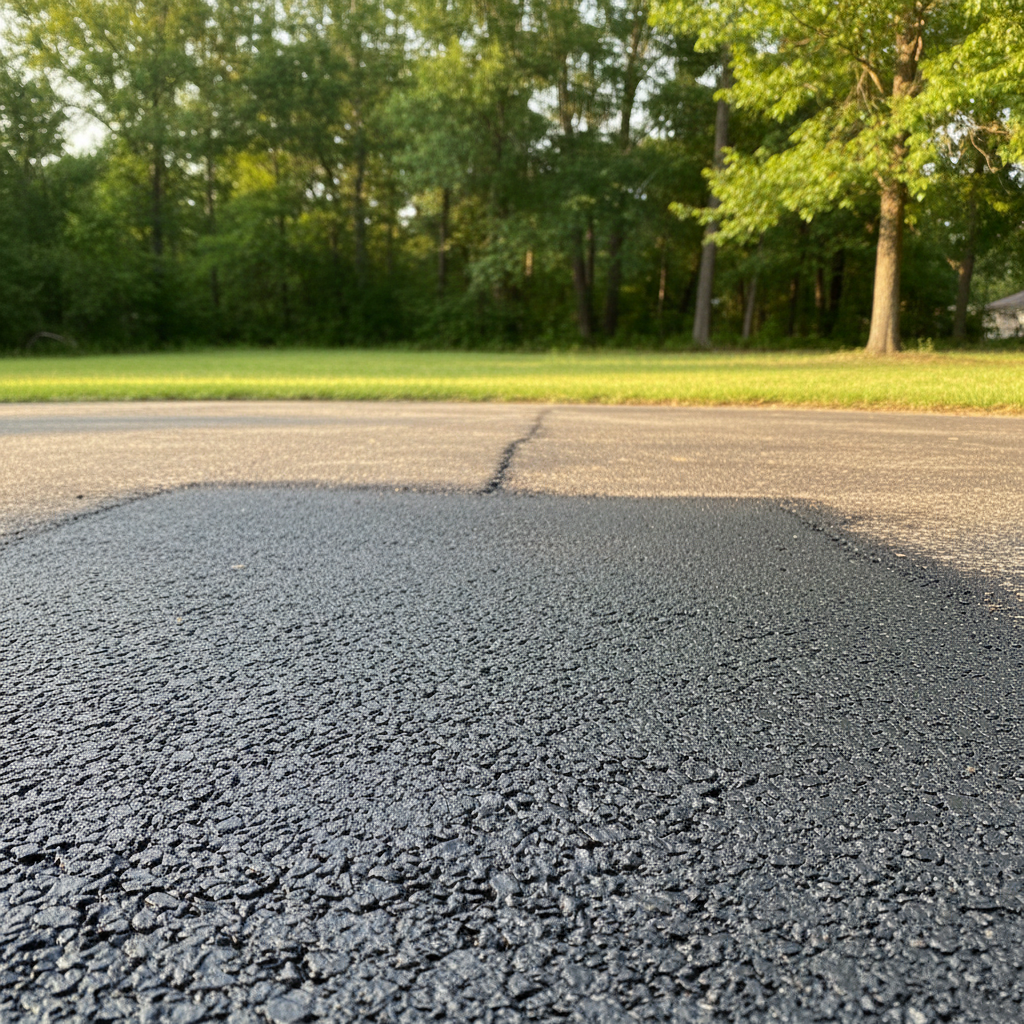
Ever walk out to your driveway, spot a jagged crack running down the middle, and wonder how fast it is going to turn into a large pothole? If you live around New Caney, you already know our local climate does not do asphalt any favors. Between the intense summer heat softening up the binder and heavy afternoon downpours washing out sub-bases, driveways take a beating. If you are trying to figure out how to tackle asphalt repairs around your property, Coastal Asphalt Co will break down what you can realistically do yourself and when you need to call in a crew.
Before You Start: Assessing the Damage
Before you run off to the hardware store for a bucket of cold-patch, take a good, honest look at what is going on with your pavement. Not all cracks and surface flaws are created equal. Grab a tape measure or a screwdriver and check the depth and width of the problem areas. If you have hairline cracks under a quarter-inch wide, those are prime candidates for a do-it-yourself Saturday project. But if your driveway is starting to look like a jigsaw puzzle of alligator cracking, or if chunks of the surface are completely loose and crumbling, standard do-it-yourself fixes are not going to hold up.
The DIY Zone: Minor Cracks and Small Surface Blemishes
You can easily handle minor maintenance yourself if you have a bit of sweat equity to spare. Cleaning out debris with a stiff wire brush, blowing out the dust, and applying a quality pourable crack filler is straightforward work. Just make sure the surface is bone dry. Here in East Texas, humidity and sudden pop-up showers can ruin a patch job before it cures. Pour your filler slightly over-filled, as it tends to shrink down a bit as it dries. This type of routine upkeep stops water from slipping down into the sub-base, which is the main culprit behind winter heaving and large potholes.
When to Call the Professionals
There comes a point where do-it-yourself methods just throw good money after bad. If you are dealing with depressions where water pools every time it rains, structural sinking, or large areas where the base has failed completely, you need heavy equipment and professional expertise. Coastal Asphalt Co frequently sees local yards where the clay soil has shifted underneath the pavement, causing the asphalt to collapse under heavy vehicle weight. Fixing that requires cutting out the damaged section, rebuilding and compacting a solid stone base, and laying down fresh hot-mix asphalt. Trying to fill a deep structural failure with a bag of cold-patch from a big-box store is like putting a band-aid on a broken bone.
During and After the Repair
If you hire a contractor for larger repairs, make sure you keep off the newly patched areas for the timeline they give you. Fresh asphalt needs time to cure and harden, especially during our humid Texas summers when temperatures stay high well into the evening. Keep heavy trucks and delivery vans off fresh patches for at least a few days. Once everything has cured properly, staying proactive with minor maintenance keeps your driveway solid for years to come.