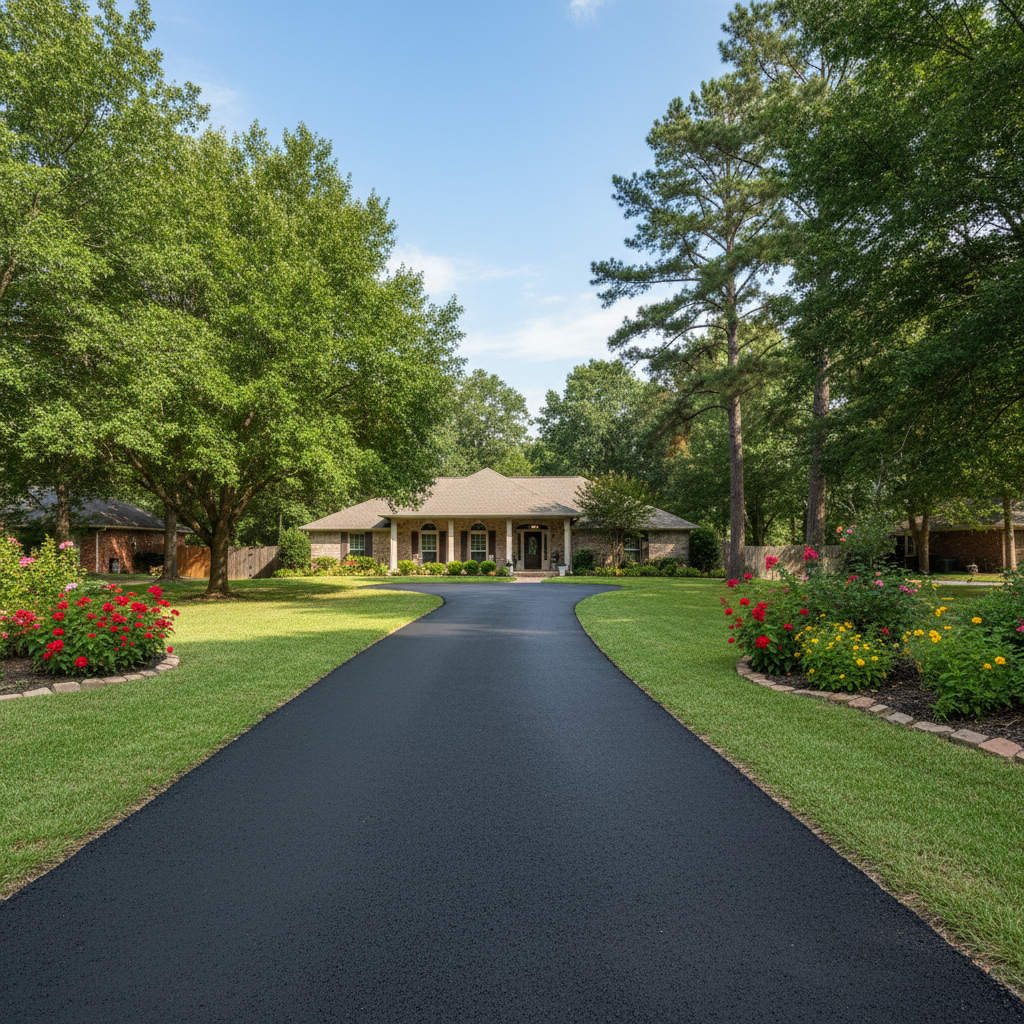
Alright, let's talk about your asphalt driveway right here in New Caney. I get a lot of calls from folks wondering when the best time is to get a new one laid down, or how to keep their current one looking good. It's not just about slapping down some blacktop, you know; our local climate plays a huge role in how long your driveway lasts and how well it cures.
When to Schedule Your New Asphalt Driveway in New Caney
You might think any time is a good time, but that's just not true for asphalt. The perfect conditions for laying asphalt are pretty specific, and they really depend on temperature. We need consistent warmth, but not scorching heat, and definitely no freezing temperatures.
- Spring (March - May): This is prime time. The ground has usually thawed out completely from any winter chill, and the air temperatures are consistently in that sweet spot – typically above 50°F during the day and not dropping too low at night. The asphalt mix stays pliable longer, allowing for better compaction and a smoother finish. Plus, you get a good stretch of moderate weather for the initial curing process before the brutal summer heat kicks in.
- Fall (September - November): Another excellent window. Once the summer inferno starts to back off, and we're looking at daytime temps in the 60s and 70s, it's perfect. The ground is still warm enough, and you avoid the extreme heat that can make asphalt cure too quickly or cause issues with compaction. You want to make sure you get it done before we start dipping into those colder nights, though.
What you really want to avoid is the dead of winter or the absolute peak of summer. Laying asphalt when it's too cold means the material cools down way too fast. It won't compact properly, and you'll end up with a weaker, more brittle surface that's prone to cracking sooner. And in the middle of July and August, when it's 100 degrees out there? That's also tough. The asphalt can get too soft, making it hard to work with and properly compact, and it can cure too quickly, leading to premature cracking.
How Local Weather Affects Asphalt Paving
Our weather here in New Caney isn't just about temperature; it's about humidity, rain, and even our soil. We're in a pretty humid area, and while a little humidity isn't a deal-breaker, heavy rain definitely is. You can't lay asphalt on a wet base. Period. The ground needs to be dry and stable for proper adhesion and compaction. If it's been raining for days, we'll have to push the schedule back. It's just how it is. You don't want us rushing a job on a soggy base; that's a recipe for disaster down the road.
Also, consider our clay-heavy soils around here, especially in areas like Tavola. That clay can hold a lot of moisture, and if it's not properly prepared and drained, it can shift and cause problems for your driveway over time. A good contractor, like us at Coastal Asphalt Co, knows how to handle these local conditions, making sure the base is solid before any asphalt even touches the ground.
Protecting Your Asphalt Driveway Year-Round
Once your new driveway is down, or if you're just looking to extend the life of your existing one, year-round maintenance is key. It's not a set-it-and-forget-it kind of deal, especially with our climate swings.
- Sealcoating: This is your first line of defense. I recommend sealcoating every 2-3 years, sometimes sooner if your driveway gets a lot of sun exposure or heavy traffic. Sealcoat protects against UV rays, water penetration, and automotive fluids. It's like sunscreen and a raincoat for your driveway. It keeps the asphalt from drying out and becoming brittle, which leads to cracking.
- Crack Repair: Don't let small cracks become big problems. Water is asphalt's worst enemy. When water gets into cracks, it expands and contracts with temperature changes, especially during those colder winter nights we occasionally get. Fill those cracks promptly with a good quality crack filler. It's a small investment that prevents much bigger, more expensive repairs down the line.
- Address Drainage Issues: Make sure water isn't pooling on your driveway. If you've got low spots where water collects, that's going to degrade your asphalt faster. Sometimes it's a matter of cleaning out gutters or redirecting downspouts. Other times, it might mean addressing the grading of your driveway itself.
- Clean Spills Promptly: Oil, gas, and other automotive fluids can break down the asphalt binder. If you see a spill, clean it up quickly. A little kitty litter or absorbent material can do the trick.
- Avoid Heavy Loads: While asphalt is tough, repeatedly parking heavy RVs, trailers, or commercial vehicles in the same spot can cause depressions or cracks over time. Try to distribute the weight or consider dedicated parking pads for extremely heavy items.
Taking care of your driveway isn't just about aesthetics; it's about protecting your investment. A well-maintained asphalt driveway can last 20 years or more. Neglect it, and you'll be looking at repairs or even replacement much sooner. If you've got questions about your New Caney driveway, or need a hand with repairs or a new installation, give us a call at Coastal Asphalt Co. We're here to help you keep your property looking good and functioning right.