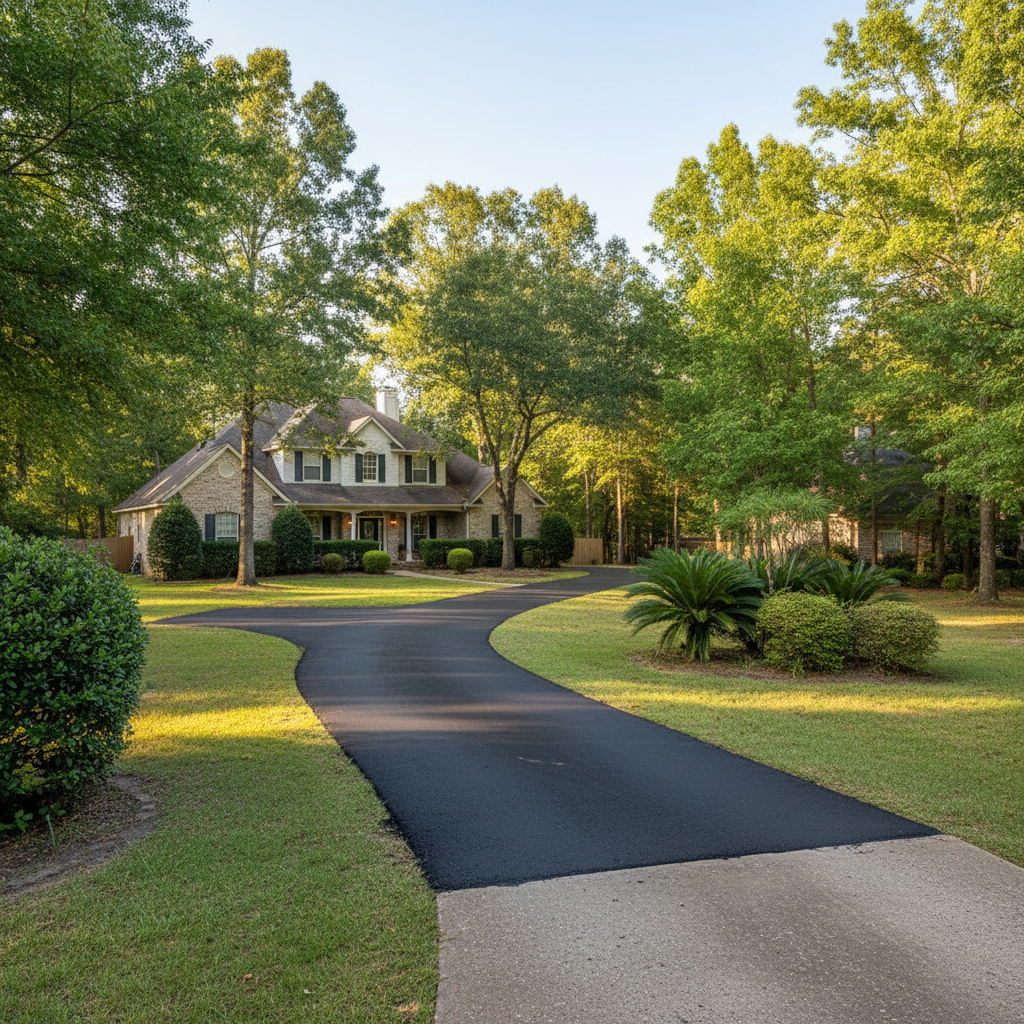
Okay, so you've got some asphalt patching on your mind. Maybe a few potholes have really opened up after a spring deluge, or that alligator cracking on your driveway seems to be spreading like wildfire. Whatever the problem, you know it needs fixing, and soon, before it becomes a much bigger, more expensive headache. Don't just jump on the first quote that comes your way, though. Let's talk about how to plan this out right, ensuring you get a repair that actually lasts.
Your Project Timeline: What to Expect
When you're looking at patching, it's generally not a huge, multi-week project like a full driveway replacement. But it's definitely not a five-minute job either. Here’s a realistic breakdown of the timeline:
- Initial Contact & Site Visit (1-3 business days): You give us (or another contractor) a call. We'll then set up a time to swing by, check out the damage, take some measurements, and chat about your options. This step is absolutely crucial; we can't give you an accurate quote without actually seeing the problem firsthand.
- Quote & Contract (2-5 business days): After our visit, we'll send over a detailed quote. Take your time with it. Got questions? Ask away! Once you're comfortable, you'll sign the contract.
- Scheduling the Work (1-3 weeks out): Good contractors tend to be busy, and we're no exception. We'll get you on the schedule. Weather, of course, plays a huge role here in New Caney; we simply can't lay hot asphalt in the rain or when it's too cold, so sometimes we have to shuffle things around. We'll always keep you in the loop, though.
- The Work Itself (1-2 days): Most patching jobs wrap up in a single day. Larger areas or multiple patches might stretch into two. Typically, we'll block off the area, cut out the bad asphalt, get the base ready, and then lay down the fresh hot mix.
- Curing Time (24-72 hours): Once we're finished, you'll need to keep traffic off the patched area for at least 24 hours — sometimes longer, depending on the weather and how big the patch is. We'll give you specific instructions, don't worry.
What Happens During the Patching Process?
When our crew shows up, you'll see them with specialized equipment. Here’s a general rundown of what we’ll be doing:
- Area Preparation: First things first, we'll mark out the spots that need patching. For potholes or bigger damaged sections, we often use a saw to cut out a neat, square or rectangular piece of the old, failing asphalt. This gives us nice, clean edges to work with.
- Removal of Old Material: Next, we'll break up and pull out the old asphalt along with any loose bits. This is where you might notice some dust and hear a bit of noise.
- Base Repair (if needed): This part is super important. If the base layer underneath the asphalt has failed, just patching the top won't hold up. We'll inspect it carefully. If it's soft or unstable, we'll dig deeper, compact the existing soil, and add new aggregate (like crushed limestone) to build a solid foundation. Cheaper contractors often skip this, but it's absolutely key for longevity, especially with our clay soils here in Montgomery County.
- Tack Coat Application: Before we lay any new asphalt, we'll brush on a sticky liquid asphalt emulsion, called a tack coat, to the edges of the old pavement and the prepared base. Think of it like glue — it makes sure the new asphalt bonds perfectly to the old.
- New Asphalt Laying: Hot asphalt mix gets brought in and carefully shoveled or machine-laid into the prepared spot. We’ll make sure it’s at just the right thickness and grade.
- Compaction: The new asphalt then gets compacted using a vibratory roller or a plate compactor. This squeezes out air pockets and creates a dense, tough surface that blends right in with the surrounding pavement.
- Cleanup: Finally, we'll clean up any debris and leave your property looking tidy.
How You Can Prepare for the Crew
Getting your property ready helps us work more efficiently and keeps everyone safe, which is always a good thing:
- Clear the Area: Please move any vehicles, trailers, trash cans, toys, or anything else off the driveway or parking area. We really need clear access.
- Trim Vegetation: If you have bushes or tree branches hanging over the work area, give them a good trim. This protects your plants and gives us plenty of room to maneuver our equipment.
- Keep Pets & Kids Away: This is a construction zone, plain and simple. We'll have hot materials, heavy equipment, and moving parts. For everyone's safety, please keep pets indoors and kids well away from the work area.
- Mark Sprinkler Heads: If you've got sprinkler heads close to the edge of the asphalt, mark them clearly with flags or paint. That way, we won't accidentally damage them.
- Communicate: If you have any specific concerns or questions on the day of the work, just talk to the crew foreman. We’re here to help, after all.
Questions to Ask Before You Sign That Contract
You're about to invest in your property, so it's only right that you feel completely comfortable with the contractor you pick. Here are some questions I'd ask if I were in your shoes:
- What's your exact process for patching? (Listen for details about base repair, tack coat, and compaction. If they just say they'll "fill it," that's a big red flag.)
- What kind of asphalt mix will you be using? (It should be a hot mix asphalt, specifically made for patching or surface courses.)
- How do you handle water drainage around the patch? (You certainly don't want a new patch to create a new puddle.)
- What kind of warranty comes with this work? (A good, reputable company like Coastal Asphalt Co. should absolutely stand behind what they do.)
- Can you give me references from other New Caney homeowners? (We're always happy to. It shows we're confident in our work, doesn't it?)
- Are you licensed and insured? (Always, always ask for proof. This protects you if anything goes wrong.)
- What's the estimated cure time, and when can I drive on it? (Get clear, specific instructions.)
- What's included in the cleanup? (You want to make sure they're not leaving a mess behind.)
Asking these questions will give you a really clear picture of what to expect and help you pick a contractor who's actually going to do the job right. Don't settle for anything less when it comes to your property.