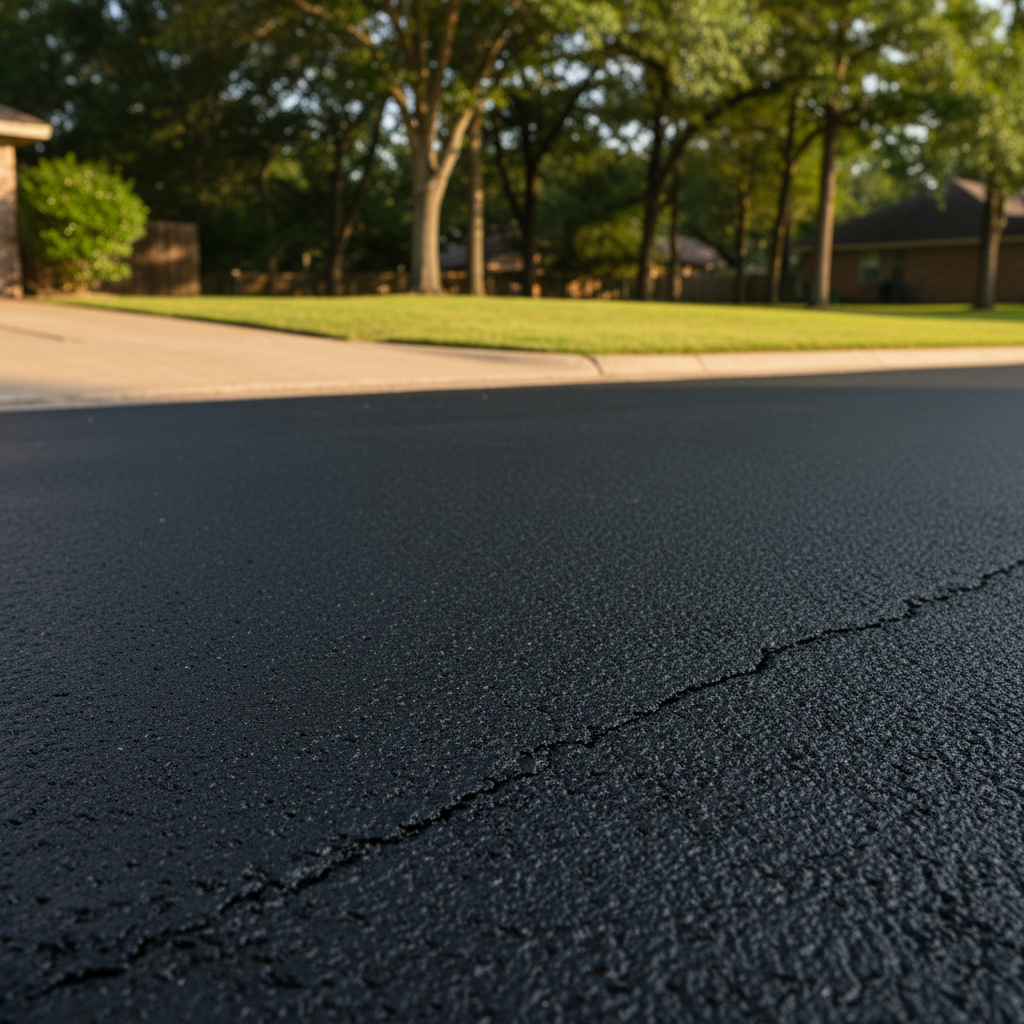
Sealcoating Your New Caney Driveway: What You Need to Know
So, you're looking at your asphalt driveway and thinking it could use a little love, right? Maybe it's faded, got some tiny cracks, or just doesn't look as sharp as it once did. That's where sealcoating comes in. Think of it like sunscreen and a fresh coat of paint for your driveway; it protects the surface and makes it look new again. But what exactly does this process involve? And can you tackle it yourself, or is it a job for someone like me?
Before You Even Think About Sealcoating
First things first, you've got to get your driveway ready. You can't skip this step, whether you're doing it yourself or hiring Coastal Asphalt Co. for the job. A cleaner surface means the sealcoat will stick better and last longer.
- Clean, Clean, Clean: You need to get rid of all the dirt, leaves, loose gravel, and anything else that's piled up. A good power wash usually works best. Just make sure you let it dry completely afterward.
- Oil Stains? Deal with 'em: Got oil or grease spots? You can't just sealcoat over those, because they'll bleed right through. You'll need to use a degreaser and scrub those areas thoroughly. Sometimes, you might even need a special primer for oil stains before you sealcoat.
- Crack Repair is Crucial: Sealcoat isn't a magic fix for big cracks. It's there to protect, not to fix major structural problems. Any cracks wider than a quarter-inch need proper filling before you even consider sealcoating. Smaller hairline cracks might get filled by the sealcoat itself, but don't count on it for anything significant. If you've got alligator cracking, that's a sign of a deeper issue, and sealcoating won't solve it—you're probably looking at needing a patch or even a full overlay.
Now, about that DIY versus Pro question. Prepping the driveway? Most homeowners can handle the cleaning and maybe even some minor crack filling. But if you have extensive cracking, serious oil stains, or a really large driveway, that's when you might want to call in a professional. We've got the right equipment and materials to make sure the prep is done correctly, which, let's be honest, is half the battle.
The Sealcoating Process: DIY or Call a Pro?
Okay, your driveway's clean and prepped. Now for the actual sealcoat application. This is where the differences between DIY and professional work really stand out.
Doing It Yourself
If you're going the DIY route, you'll head to a big box store and pick up some asphalt sealer. It usually comes in 5-gallon buckets. You'll also need some brushes, squeegees, and maybe a roller. Here's what you're in for:
- Mixing: Follow the instructions on the bucket. Some sealers need a really good mix.
- Application: You'll pour it out in small sections and spread it evenly with a squeegee or brush. The trick is thin, even coats. Don't go too thick, or it won't cure properly and will just flake off.
- Multiple Coats: Most DIY products suggest two thin coats. You'll need to let the first one dry completely before applying the second, which can take several hours, depending on the weather.
The biggest challenge with DIY is getting an even application and making sure you don't miss any spots. It's also physically demanding work, especially on a hot New Caney day. Plus, the quality of consumer-grade sealers just isn't the same as what a professional uses. What do you expect, really?
Hiring a Professional
When you hire a company like Coastal Asphalt Co., you're getting a different level of material and expertise. We use commercial-grade sealants that are designed to last longer and provide better protection than anything you'll find at a hardware store. These aren't just off-the-shelf products; they're often specialized blends.
- Proper Equipment: We use sprayers and specialized squeegees that ensure a uniform, consistent application. This means no streaks, no missed spots, and a much cleaner, professional finish.
- Expertise: We know how to handle different driveway conditions. We understand how to mix the sealer for optimal performance, and we know the best way to apply it for maximum durability. We also know how to work around tricky areas like landscaping and garage doors without making a mess.
- Efficiency: We can get the job done much faster and more efficiently than you could on your own, especially for larger driveways common in developments around here like Tavola or Harrington Trails.
For most homeowners, especially those with larger or older driveways, hiring a pro is usually the better investment in the long run. You'll get a superior, longer-lasting result.
After the Sealcoat is Applied
Whether you DIY or hire us, the aftercare is pretty much the same, and it's super important for the sealcoat's longevity.
- Stay Off It: This is probably the hardest part for folks. You absolutely cannot drive or even walk on your freshly sealed driveway for at least 24-48 hours. The longer you can keep traffic off it, the better. It needs to cure completely. Driving on it too soon will leave tire marks and compromise the seal.
- No Parking Heavy Vehicles: For the first week or so, try to avoid parking heavy vehicles on it for extended periods, especially during hot weather. The sealcoat is still hardening.
- Watch the Weather: If you're doing it yourself, check the forecast. You don't want rain for at least 24 hours after application. Professionals will schedule around the weather, but it's good for you to know, too.
- Regular Cleaning: Once it's cured, keep it clean. Sweep off leaves and debris regularly. Promptly clean up any oil or chemical spills.
Sealcoating isn't a one-and-done forever solution. You'll typically want to re-seal your driveway every 2-3 years, depending on traffic, weather exposure, and the quality of the initial application. This regular maintenance is key to extending the life of your asphalt and keeping it looking sharp for years to come. It's a small investment that pays off big by preventing more expensive repairs down the road.