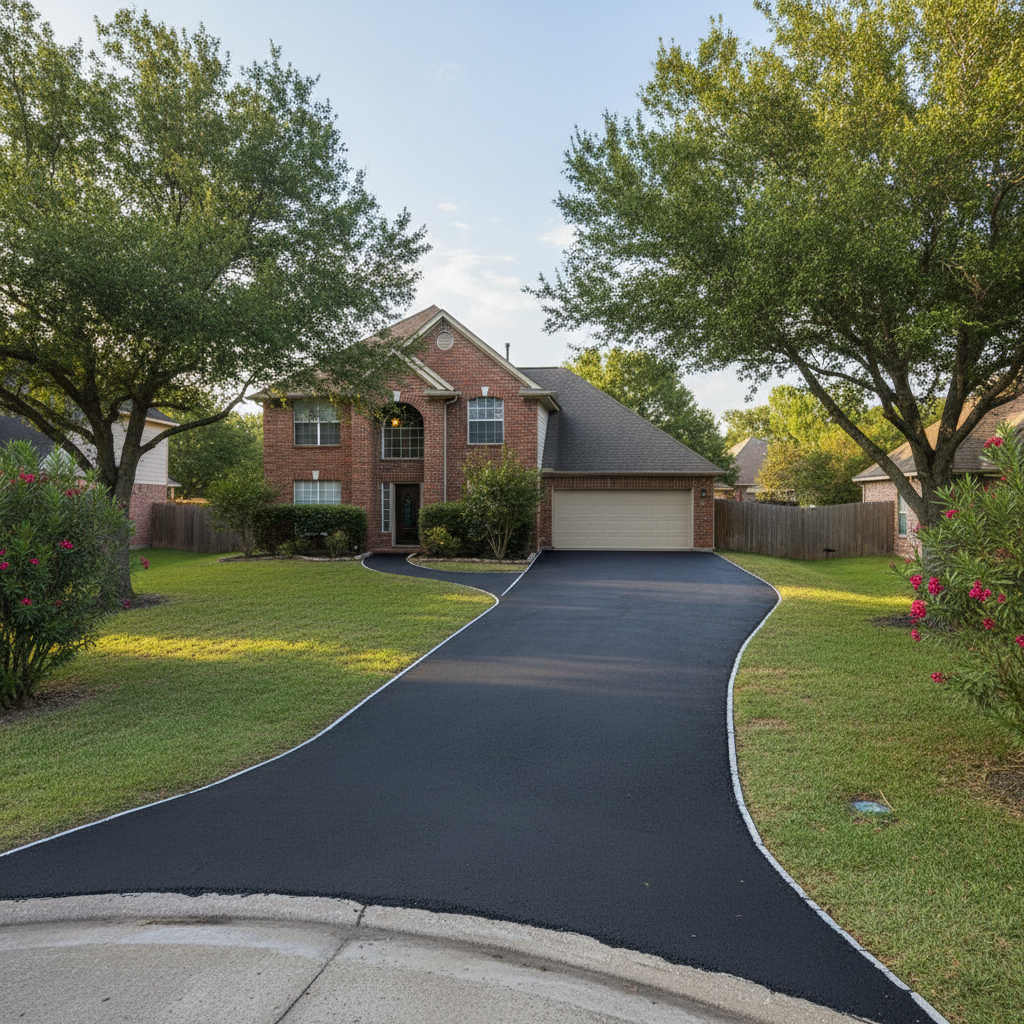
So, you're thinking about putting down some new asphalt, huh? Maybe it's a fresh driveway, a parking pad, or even a small private road right here on your property in New Caney. That's fantastic! A well-paved surface just looks better, adds value, and honestly, makes life a whole lot easier. But hold on a sec before you start calling every paving company in Montgomery County. Let's talk about planning this project the right way. Nobody wants nasty surprises, and I certainly don't want to see you throw your hard-earned money away.
Figuring Out Your Project Timeline
First things first, let's get real about how long this will take. This isn't usually a quick weekend job, especially if you're doing anything bigger than a tiny patch. From your first call to a contractor to that final stripe, here's a general idea of the timeline:
First Contact & Site Visit (1-2 weeks): You'll probably call a few local companies, like us at Coastal Asphalt Co., for example. We'll set up a time to come out, check out your property, measure things, and chat about what you need. This isn't just about giving you a price; it's about really understanding the whole job – the size, drainage, and any tricky spots your land might have.
Quote & Contract Review (1-2 weeks): After we've seen the site, we'll put together a detailed quote. You'll want to go over this carefully, ask any questions you have, and compare it with other bids. Don't rush this part, okay? Make sure everything you talked about is written down.
Scheduling (2-6 weeks, or even more): Good contractors are busy people, especially during our peak seasons like spring and fall when the weather's just right. Once you sign a contract, you'll get on the schedule. This timeframe can really jump around depending on the time of year, how much work the contractor already has, and how big your project is. And those heavy rains we get plenty of around here? They can definitely push things back too.
Construction (1-5 days, usually): The actual paving work itself can be surprisingly fast for a driveway, often just a day or two for smaller jobs. Bigger projects, like a large parking lot or a long private road, will naturally take longer. This includes digging out the old stuff, getting the base ready, laying the asphalt, and compacting it all down.
Curing Time (3-7 days minimum): This step is super important and often gets overlooked. Once the asphalt is down, you absolutely cannot drive on it right away. It needs to cure. We'll give you exact instructions, but generally, plan on keeping vehicles off it for at least 3-7 days, sometimes longer if you have heavy trucks or if it's super hot out. This isn't just a suggestion; it's crucial for your new surface to last.
So, from start to finish, you're realistically looking at anywhere from 6 weeks to 3 months. It really depends on the season and how complex your project is. Plan accordingly, my friend.
What Happens When the Crew Shows Up
When the crew arrives, things are going to get busy, fast. Here's a quick rundown of what you'll see:
Excavation: We'll remove any existing material – old concrete, grass, dirt – to the right depth. This can be noisy and dusty, so be prepared. Expect to see heavy equipment like excavators and bobcats at work.
Base Preparation: This is the backbone of your asphalt, truly. We'll lay down a compacted aggregate base, which is basically crushed rock. Proper grading and compaction here are key for drainage and stability. This is how we make sure water flows away from your house, not towards it, which is extra important with our clay soils in this area that just love to hold onto moisture.
Asphalt Laying: Hot asphalt mix comes in dump trucks. A paver machine spreads it out evenly, and then rollers compact it. This is a very coordinated effort, and it moves quickly. You'll definitely smell the hot asphalt, and the work area gets pretty warm.
Cleanup: Once the paving is finished, the crew will clean up the site, haul away debris, and make sure everything looks tidy.
It's a process that needs precision and some serious machinery. Expect a bit of disruption, but know that a good crew works efficiently to keep it to a minimum.
How to Get Your Property Ready
Before the crew even thinks about showing up, you've got a few things on your to-do list:
Clear the Area: Move anything that's in the way – vehicles, boats, trailers, planters, kids' toys, trash cans. If it's on or near the proposed paving area, get it out of there. This also includes anything hanging over the area, like low tree branches.
Mark Utilities: We always call 811 before we dig, but it's smart to point out any private utility lines you know about. Think irrigation, invisible dog fences, or propane lines – stuff 811 might not mark. Use flags or spray paint if you know where they are.
Tell Your Neighbors: If the work is going to block access or make some noise, give your neighbors a heads-up. A little courtesy goes a long way, don't you think?
Plan for Access: While the work is happening and during the curing period, you won't be able to use the paved area. Figure out where you'll park your vehicles and how you'll get in and out of your house. This is especially critical for driveways.
Secure Pets & Kids: Construction sites are not playgrounds. Keep children and pets well away from the work area for their own safety.
Questions to Ask Before You Sign Anything
This is where you protect yourself, plain and simple. Don't be shy about asking tough questions. Any reputable contractor will be happy to answer them, trust me.
What's actually included in the price? Get a detailed breakdown. Does it cover digging, hauling away old material, base rock, asphalt, compaction, and cleanup? Are there any extra charges for unexpected problems?
What kind of base will you use, and how thick will it be? The base is absolutely critical. Make sure they're using good quality aggregate and compacting it correctly. For driveways at home, you typically want at least 6-8 inches of compacted base.
How thick will the asphalt layer be? For most residential driveways, 2-3 inches of compacted asphalt is standard. Make sure they specify compacted thickness, not just loose material, which is a common trick.
What about drainage? This is a huge one, especially with our heavy rains. How will they make sure water drains away from your home and doesn't just sit on your new surface?
What's your warranty like? A good contractor stands behind their work. Ask about the length of the warranty and what it actually covers.
Are you licensed and insured? Always ask for proof of liability insurance and workers' compensation. You really don't want to be on the hook if someone gets hurt on your property.
Can you give me references? Ask for contact info for a few recent customers. Call them up and ask about their experience – it's worth the time.
What's the payment schedule? Reputable contractors usually don't ask for 100% upfront. A deposit is common, with the rest due once the job is satisfactorily done.
How long will the job take, and what's the curing time? Get clear expectations on both, right from the start.
Taking the time to plan and ask the right questions upfront will save you headaches and make sure you get a quality asphalt surface that lasts for years. It's an investment, so treat it like one. If you're in the New Caney area and have more questions, don't hesitate to reach out to us at Coastal Asphalt Co. We're here to help.